briqs introduction
“Life is what happens to you whilst you are busy making other plans” said John Lennon.
How does a house follow a life full of coincidences? How does the inhabitant not have to move onward, limits to furniture change or even adapt life to the present home?
A diëtist knows what to eat best and a cook can make and shape food the best; still but most people like to decide themselves what to eat with a large variety of sorts, moments and with whom. We take this for granted.
A designer knows what to dress at best and a tailer can make and shape clothes the best; but most people like to decide themselves what to wear with a large variety of combinations, designs and daily moments. We take this for granted.
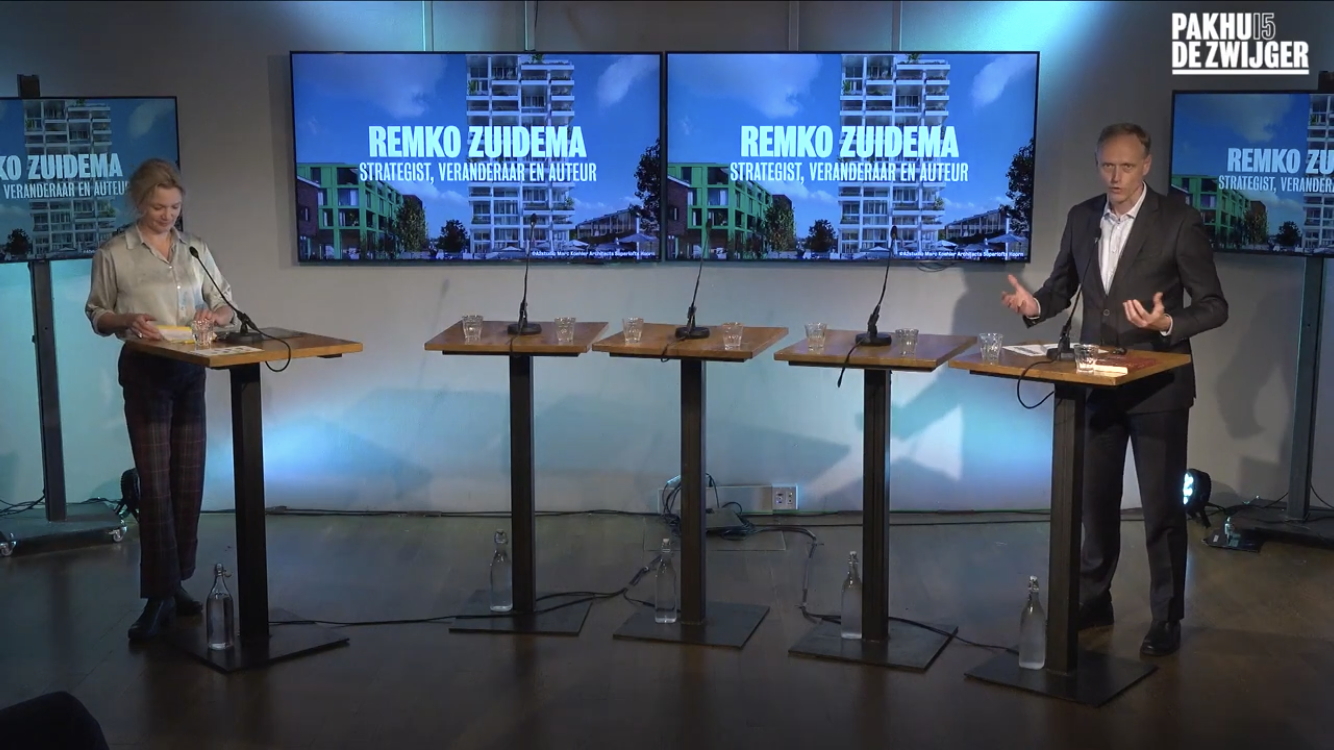
Why not make this the new standerd at home too! As it is proven in enough (social) housing worldwide in many decades to provide to all. The recorded presentation at https://dezwijger.nl/programma/veerkrachtige-sociale-woningen shows you [in Dutch] the practical projects now and in the last 40 years of what this brings tenants and housing agency’s.
This is a story of possibilities and actualities in housing that have a long and lasting personal impact on investment and life. But this story is despite all the actual proof still waiting to become the new normal. The distinction between living and the home, between living at home and the house in continuous movement and change. Recent research shows more of what it makes possible and is rewarded https://www.archined.nl/2021/04/wegrowco-archiprix-2021/.
Home user empowerment -especially of tenants- is essential in getting more and better homes and getting them faster and cheaper. Now and in the future. Here and elsewhere. Cheaper in initially built and even more benefits renovating. Good impact environmentally and socially.
Let us remember:
- Purpose of home building is serving the living proces of people, not the other way around
- Living is more than just professional work, it’s personal work
- Chance in time is starting point of living and therefore of homes
- Industrial methods create diversity of houses efficiently, not uniformity
- Individual values and needs translate into diversity of personal and adaptable houses, not the other way around
- Local cultural diversity linked with modern amenities form survivable lifestyles and typologies, so are not contradictory
- Cherished, supported and accepted (new) homes fit into the existing urban context and structures, so are not the odd man out
Yes, but how?
Open Building makes transparant the impact of multiple transitions in living, working and recreational buildings taking place simultaneously today. Making it easier for home users and owners to take the right steps. Building blocks for a just transition are essential to help all in the new way of maintenance, renovation and new built homes and for other user functions.
We form the knowledge network by many in practice of personal living requirements based on lowest life-cycle costs, quicker realization and best sustainable quality to become normal. Municipalities, project developers and residents (rent / purchase) in (new-build) homes deserve relevant solutions for at home. Offices, healthcare institutions and retail has similar challenges. And they have already being built functioning without being much noticed, as functioning very well for users, owners and neighborhoods.
OpenAreas
for municipalities and network companies. Unravel use and investment and make the best decisions. Ensure alignment and integration of Legal, Financial, Technical, Organizational and Social topics. Because demands and interests from the use and investment of buildings are completely different.
Municipalities such as Amsterdam and Utrecht will also require that you build circular for all buildings like housing. And report on what is yet out of reach and why.
OpenLiving
for developers, consultants, investors, owners and users. In this way companies and governments achieve higher quality of living, satisfied citizens and faster transitions to inclusive, circular and fossil-free neighborhoods. Train residents for their home, building and neighborhood as developers and brokers.
The European legislation (EPBD) soon require that you also take into account the effect of the home on the health of the resident. Finally, residents are becoming more and more articulate, their housing needs are becoming increasingly diverse and are changing faster then ever.
OpenFitOut
for construction and demolition companies and the suppliers and producers of products and materials. Professional providers of (re) construction solutions make optimal use of the sustainable project benefits of the professional customer. Respect for their short and long-term goals and interests. Masterclasses, Projects and Communities as social and knowledge moment and trajectory.
Approach to residents’ decision-making rights and changing laws and regulations
As a property developer, you determine together with investors and future owners (such as housing corporations and private owners and in coordination with the municipality), what buildings and houses will look like. Residents usually have little say – they do not have a choice or they are informed very late. But that is changing.
Furthermore, many project developers are inclined to transfer any arising to the design team and the construction team. But they do not know either. No one can solve new problems with the knowledge of the old approach.
With the decision-making right of the resident and the changing legislation, you risk ending up in a conflict of interest. The only way to solve this is to prevent the conflict, by take advantage of the right approach.
Prevent construction damage from project developers
The project development of housing construction will easily take over five years. You only get to know the occupant of a owner-occupied home a year prior to completion, and often you will not know the tenant at all.
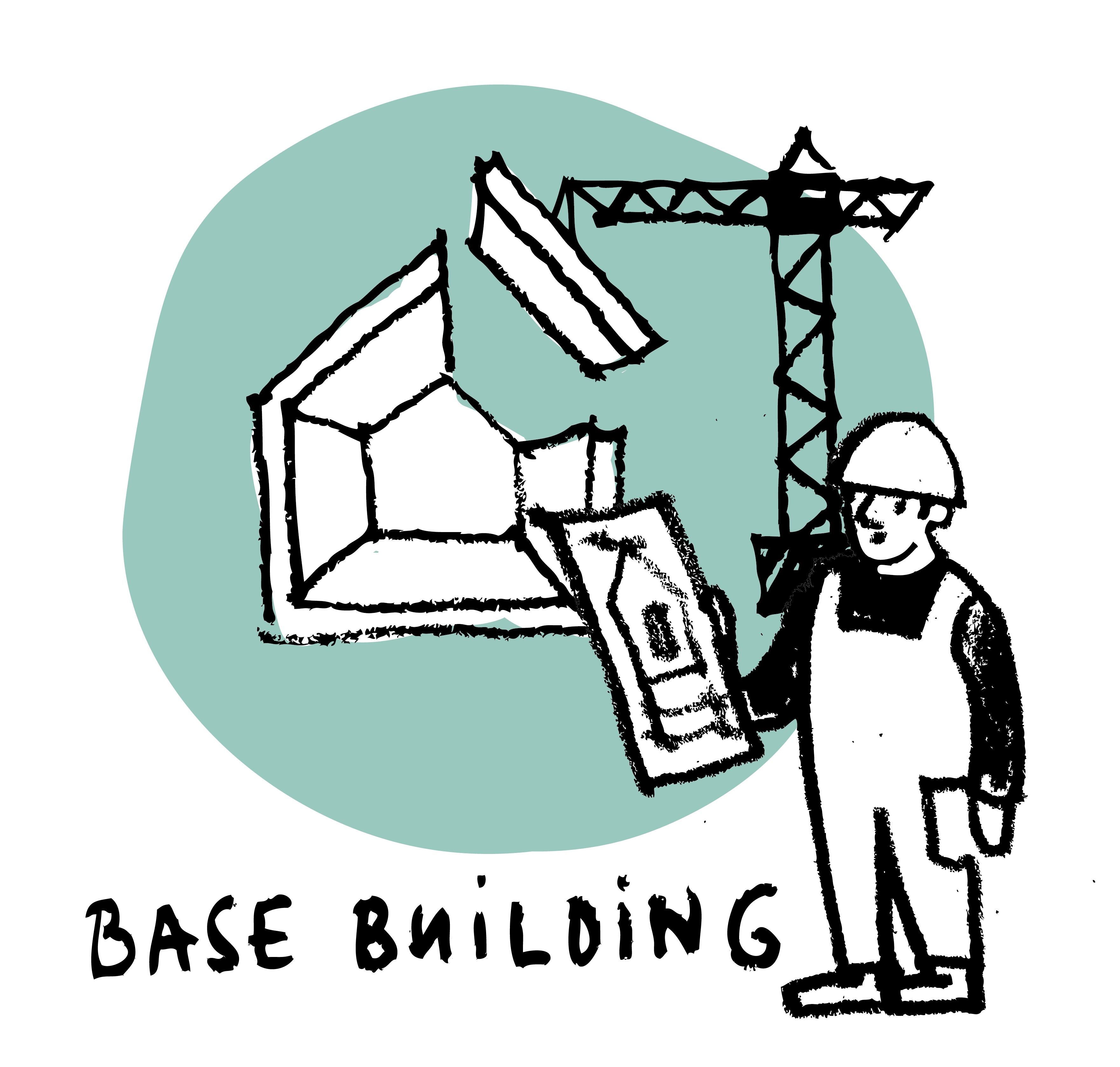
Most construction damage occurs because the base building and fit-out construction stages are interwoven in the traditional process.
All of the cables and pipes are connected into the skeletal structure of the base building, therefore consequential damage occurs when the project developer, future owner, or occupant wishes to make an unforeseen change during the process. How can this be avoided?
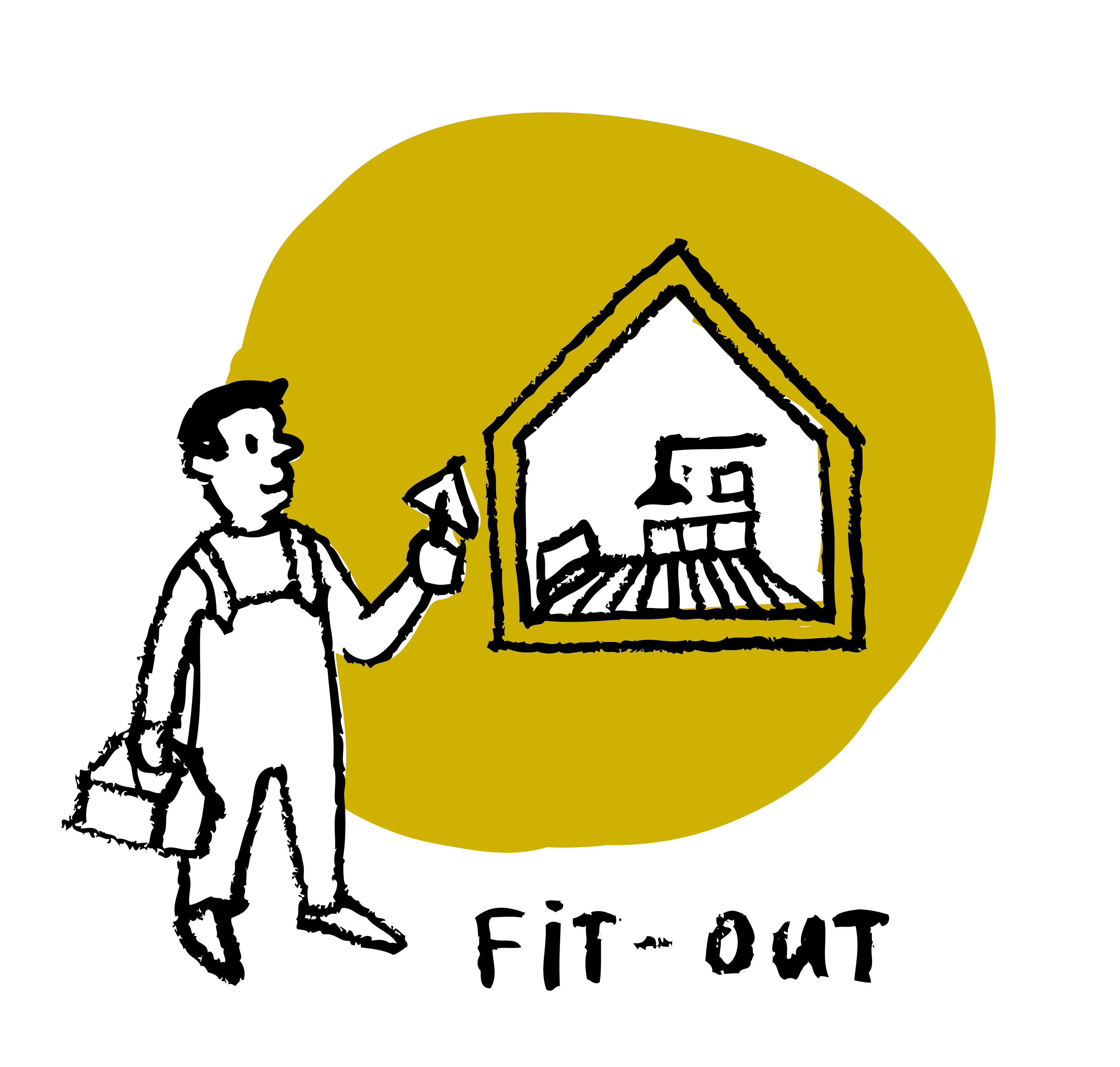
Split physically base building and fit-out
What happens if you build houses as you build stores; first only the skeletal structure?
Within that you could let the resident decide everything: layout, energy system, installations, kitchen, and bathroom. You could commission this installation yourself, but what happens if the resident does it themselves under your conditions?
You have complete freedom in the supporting structure and façade. You also determine building-bound installations such as rainwater drainage and connection of sewer and electricity in the house to the utility in the street. This lasts much longer than the various residents live in it.
When you split base building and fit-out in two sequential phases, you are ready for the future. You can change everything in the second phase without causing damage to the main structure and can therefore easily renovate. This means you can always meet changing requirements and laws during your project development and even afterward.
Integrate fossil-free, circular and healthy
The BRIQS Foundation supervises the municipality, the real estate world and contractors of the base building into incorporation of new contact and contract with the user.
With this, we make buildings and living intertwined and flexible for everyone involved in the future.
Efficiency, risk, and speed all improve at the same time. We inform you with books, Masterclasses and personal advice. We focus on quality of living and faster transitions towards fossil-free, circular and healthy building(s).
This post is also available in: Nederlands

